

Blog
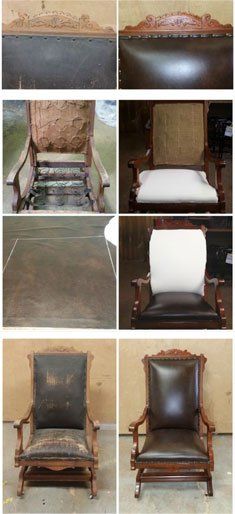
Chris, Addison Eastlake Victorian patent platform rockers date back to the late 1800s. Charles Lock Eastlake was an architect who wanted to create a rocker with a simple design, that was good quality and reasonably priced. Platform rockers were popular in Victorian parlors, because they caused less wear on expensive wool carpets than traditional rocking chairs. Our customer wanted this platform rocker refinished and reupholstered to uncover its original beauty. We started by removing all fabric and foam, leaving only the wooden frame. The wood frame was hand stripped and sanded, bringing it down to its natural state. It was then stained to match to the original color as closely as possible, then sealed with a high quality furniture finish. We work with our customers to select the perfect fabric or leather for the upholstery. We can send samples directly to your home or you can come into our shop and view samples from over 200 sample books. Once the fabric is received, the upholstery work begins. The springs, webbing, and foam are reinstalled, unless replacement is required. For this rocker, patterns were developed for each section of the piece. After the leather was installed, we finished it with antique brass tacks to complete the transformation. Call Us Today!

Unexpected flooding can be a costly and time consuming affair. Between damage to property and the threat of harmful mold, the experience can be overwhelming for any homeowner. After the water recedes, follow these steps to mitigate damage and put your house back in order.

Remodeling a kitchen can be an overwhelming task filled with frequent second-guessing. One decision you won’t regret is choosing to refinish old cabinets instead of buying new ones. Here are 3 benefits of professional refinishing to consider during your planning. 1. Substantial Cost Savings New cabinets are an expensive investment that will quickly eat into your remodeling budget. In addition to the cost of the new cabinets, you will also be on the hook for demolition and installation charges. To avoid the hassle and expense of installing new cabinets, consider having your old cabinets professionally refinished. Older kitchen cabinets are usually well made and will exhibit minor exterior damage that can easily be repaired during refinishing. By professionally refinishing your old cabinets, you can save thousands of dollars that can be better spent elsewhere on your remodel. 2. Customization Most new cabinets come in pre-determined styles and colors, and options are very limited and expensive. Ultimately, when you purchase new, you are at the mercy of the manufacturer and< designer as to what options and colors are available for your cabinets. With refinished cabinets, these limitations no longer exist. From choosing any stain color, to adding custom trimming or hardware, you are free to let your imagination run wild and can match the rest of your design in unique and interesting ways. 3. Fast Completion As the saying goes, you don’t know what you had until it is gone. The same goes for losing access to your kitchen during a lengthy remodel. Looking for ways to reduce your remodel time should always be a consideration during the planning phase. Professional refinishing can take far less time than removing your old cabinets and installing new ones, and can usually be done on your schedule. Professional companies, such as JC Wood, can quickly refinish your cabinets without much hassle so you can be back in your kitchen in no time. Call Today to Learn More About Professional Refinishing
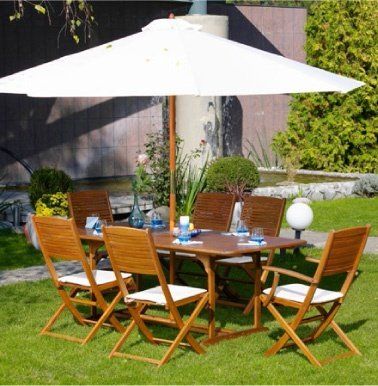
Summer sun and rain can wreak havoc on wood furniture, even when it is designed to remain outdoors. To help your furniture last and keep it looking great, follow these simple tips. 1. Apply a Protective Coating Every Season While most outdoor wood furniture is stained or painted, it is necessary to apply a protective coating every year to minimize sun damage. Clean your furniture thoroughly and touch up any faded areas with a matching paint or stain. There are many species of wood used in outdoor furniture and many require specialized materials. It is extremely important to make sure the right product for your furniture is used; always review the manufacturer's instructions before applying any product. 2. When It’s Not in Use, Cover It Up When you aren't entertaining guests or enjoying the summer weather, put a light blocking, waterproof cover over your furniture. While it may seem inconvenient to put on the covers after every use, you’ll be glad your furniture is protected from the elements. 3. During the Winter, Put It in Storage Nothing can be more devastating to wood furniture than frigid temperatures, ice and humidity. If water seeps into the pores of the wood and then freezes, it will expand, reducing the life of your furniture. When the weather turns to winter, bring your furniture inside or store it in an exterior shed to protect it from the harsh conditions. Call Today to Restore Faded Outdoor Furniture
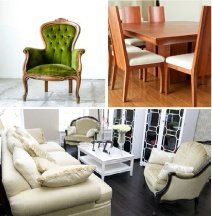
Furniture is more than a place where you read a book or unwind in front of the television. It is also one of the largest investments you will make on the interior of your home. Follow these helpful tips to keep that investment looking great for years to come. 1. Vacuum Regularly While most homeowners vacuum their floors on a regular basis, upholstered furniture is often cleaned less frequently. Just because there may not be crumbs or debris visible on the surface doesn’t mean they aren’t there! Vacuuming at least once a week can help prevent dirt and dust from infiltrating the fibers of your upholstery, and can go a long way to making it last longer. 2. Keep the Wood Clean Taking care of any wood on your furniture is vital to maintaining its beauty. Use warm water and mild dish soap to clean the wood. Wipe the dirt off the surface with a soft cloth until it has been removed, then dry off any remaining water with the cloth. 3. Remove Stains Quickly Applying stain protection to your upholstered furniture is a must, but the time will eventually come where a drop of red wine breaches those defenses. Treating and removing the stain immediately is vital to the long term health of your furniture, because once the stain sets, it can permanently damage or discolor the fabric. Immediately apply a stain treatment that is safe for the fabric of your furniture, and be sure to blot, not rub, the stain until it disappears. 4. Schedule Professional Cleaning Regular vacuuming, cleaning, and stain removal can only do so much. Sometimes it takes a professional touch to keep your upholstered furniture maintaining its beauty. Professional cleaners remove dirt that has become embedded in the fibers that normal care and vacuuming can’t remove and repair or touch up any damage to the wood. A professional cleaner can also apply a new coat of stain protection to help keep the upholstery blotch free for even longer.
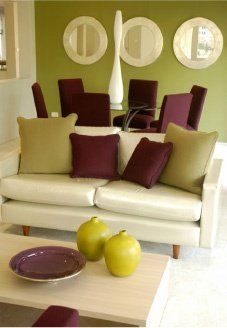
The New Year brings the opportunity for a fresh start. Stay ahead of the curve when redesigning an interior space with these can’t miss styles. Texture contrasts Atmospheres that feel warm and relaxing are attracting more attention in 2016. Whether you’re redesigning a living room or office, warm, contrasting colors will give an illusion of space and comfort. Incorporating textures will create a sense of depth in any space, and will work with your colors to provide an atmosphere that anyone can be comfortable in. Dramatic colors While relaxation and comfort are high on the priority list for 2016, dramatic colors are still a crucial component. Using strong shades in hallways and transitional spaces will create a feeling of fluid movement between your rooms. These colors should be accented with wood stains and upholstery that complement your color choices to allow your furniture to stand out from the background, while not seeming large or overbearing. Sustainable solutions Going green is not a new idea, but it has been gaining greater momentum in the last few years. 2016 could be the breakout year of recycling, reusing, and renewing when it comes to interior design. Find new uses for old furniture pieces. By refinishing tables, desks, and chairs, you can create a unique look for your space. Create a shabby chic, contemporary look, or anything in between. Use your imagination and have fun. Create that one of kind look that will stand out from the pack of mass produced pieces. Refurbishing old chairs with new upholstery can give life to any furniture, and can be customized to match any style and taste.
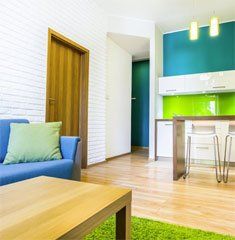
Do you have a small room? While small spaces can seem like a waste of square footage, creative planning can help give the illusion of space while revitalizing tiny areas. Follow these tips to make your small room more useful. Make Your Furniture Multi-Purposed In an ideal world, rooms would have a piece of furniture for every need, and a chair for every guest. But when working with small rooms, it is important to maximize space by minimizing furniture. Are you trying to put a full size coffee table into a tiny room? Try refinishing an old end table and using that instead. While it will still allow you a place to feature decorations, offer reading material, or put your drink, it will also save on square footage and its small size will create a feeling of openness. Additionally, take that television off the entertainment center and hang it on the wall. Below it you can repurpose an antique desk to double as a space for your electronic accessories, or become a usable workstation when needed. By creating spaces that serve more than one purpose, you can cut down on the clutter and increase the usable size of a room. Color Matters Dark walls can make even the largest room seem small. By using bright colors, you can create the perception of space. Staining or reupholstering your furniture to contrast those bright colors will create an added feeling of depth, which will increase the illusion of a large room. Have some furniture that needs to be stained or reupholstered? Call JC Wood today at 630-628-6161 or email us at info@jcwood.com .
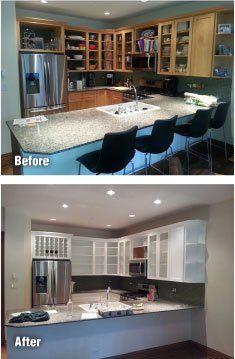
Kitchen transformation JC Wood was recently asked to help transform a kitchen in Chicago to give it a more modern look. Once we received approval from our customer on the perfect color selection for the cabinets, we were able to lightly sand the existing stain, and finish to JC Wood Stock White. The results are beautiful, and the kitchen is transformed! Want to update your kitchen? If you need your cabinets refinished to a stained or solid color, JC Wood will take care of everything. First, we will create a custom sample for approval right on your existing cabinet door. Once it is approved, we will schedule our technician to pick up the doors and drawer fronts to be finished in our shop. They will be returned on-site in approximately 2 weeks. We will mask your kitchen, finish the face frames and reinstall your door and drawer fronts, leaving you with stunning results. Call Us Today!
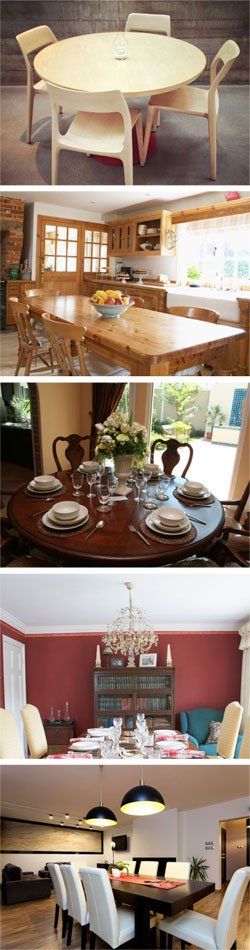
Thinking of updating your dining room? Here are some ideas to consider to give that space a fresh new look. Small Round Tables Do you have a small dining or living area? No problem, you can still make the most out of that space! A round table is a smart choice for optimizing the amount of space you have. It can be formal enough for a holiday dinner, or the perfect cozy asset to a sitting area by placing one or two extra chairs around the room. Rustic Furniture Country styled rooms can be very fresh and inviting. Use a wooden farmhouse table and pair it with simple chairs to match. Using unadorned chairs with a long wooden table is the best choice to avoid making the space look overcrowded and assure the table is the focal point of the room. Mix and Match Not all of your furniture needs to match to make a room beautiful. Furniture pieces, such as chairs, can be different colors or different types of wood, as long as their style is similar. While the furniture can be different shades or colors, it should still follow a consistent color scheme to tie the room together. Mixing and matching furniture in this way, while still maintaining some consistency throughout, can make a room interesting and unique. Antique Accents Antique chairs and furnishings can give a room a sophisticated look. Traditional pieces, such as French styled armchairs, may be intimidating to try to pair with other furniture pieces. When you match them with a neutral room color scheme, however, it allows the antique pieces to become the main focus of the room. Cozy Bookshelves When thinking of furniture to add to your dining room, a table and chairs are probably your first thought. Make a dining room more personalized by adding a bookshelf to display treasured items. Bookshelves can give any room more character. Modern Accessories If you are interested in updating a room to lend more of a modern vibe, consider adding a photo ledge to a wall in the room. Display large glass frames with black and white photos or artwork on the ledge, and tie the modern aesthetic look together with contemporary chairs, fixtures and table. JC Wood can help you achieve any of these style ideas with our quality furniture and fixture services. Bring in any wooden tables or chairs to be refurnished, restored or refinished, or allow us to reupholster any chair to bring life back to your furniture. We have a wide selection of wood stains and fabric selections to help create your dream dining room, so it is just as you imagined.
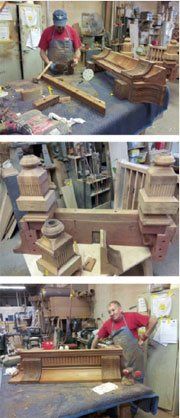
Antique mahogany Brunswick pool table restoration JC Wood is always eager to take on new and challenging projects, so when we were contacted to restore a 120 year old antique mahogany pool table, we jumped at the opportunity. The pool table was manufactured in 1890 by Brunswick Billiards, one of the largest pool table manufacturers in the world. Founded in 1840 by John Moses Brunswick, the company is recognized globally for its wide selection of exceptionally well made and sophisticated pool tables. What we are doing JC Wood appreciates the rich history and quality of the antique pool table, and we’ve been working hard to restore it to its original condition. So far, our prep team has been fabricating approximately 30 pieces of missing trim with twelve different profiles for the antique pool table. After the trim pieces have been created, they will be attached to the frame. Once in place, all loose and missing veneer will be restored. JC Wood also created a custom color sample that met the standards of the customer for the finish on the pool table. Check back soon to see the completed project!
Chris, Addison Eastlake Victorian patent platform rockers date back to the late 1800s. Charles Lock Eastlake was an architect who wanted to create a rocker with a simple design, that was good quality and reasonably priced. Platform rockers were popular in Victorian parlors, because they caused less wear on expensive wool carpets than traditional rocking chairs. Our customer wanted this platform rocker refinished and reupholstered to uncover its original beauty. We started by removing all fabric and foam, leaving only the wooden frame. The wood frame was hand stripped and sanded, bringing it down to its natural state. It was then stained to match to the original color as closely as possible, then sealed with a high quality furniture finish. We work with our customers to select the perfect fabric or leather for the upholstery. We can send samples directly to your home or you can come into our shop and view samples from over 200 sample books. Once the fabric is received, the upholstery work begins. The springs, webbing, and foam are reinstalled, unless replacement is required. For this rocker, patterns were developed for each section of the piece. After the leather was installed, we finished it with antique brass tacks to complete the transformation. Call Us Today!
Unexpected flooding can be a costly and time consuming affair. Between damage to property and the threat of harmful mold, the experience can be overwhelming for any homeowner. After the water recedes, follow these steps to mitigate damage and put your house back in order.
Remodeling a kitchen can be an overwhelming task filled with frequent second-guessing. One decision you won’t regret is choosing to refinish old cabinets instead of buying new ones. Here are 3 benefits of professional refinishing to consider during your planning. 1. Substantial Cost Savings New cabinets are an expensive investment that will quickly eat into your remodeling budget. In addition to the cost of the new cabinets, you will also be on the hook for demolition and installation charges. To avoid the hassle and expense of installing new cabinets, consider having your old cabinets professionally refinished. Older kitchen cabinets are usually well made and will exhibit minor exterior damage that can easily be repaired during refinishing. By professionally refinishing your old cabinets, you can save thousands of dollars that can be better spent elsewhere on your remodel. 2. Customization Most new cabinets come in pre-determined styles and colors, and options are very limited and expensive. Ultimately, when you purchase new, you are at the mercy of the manufacturer and< designer as to what options and colors are available for your cabinets. With refinished cabinets, these limitations no longer exist. From choosing any stain color, to adding custom trimming or hardware, you are free to let your imagination run wild and can match the rest of your design in unique and interesting ways. 3. Fast Completion As the saying goes, you don’t know what you had until it is gone. The same goes for losing access to your kitchen during a lengthy remodel. Looking for ways to reduce your remodel time should always be a consideration during the planning phase. Professional refinishing can take far less time than removing your old cabinets and installing new ones, and can usually be done on your schedule. Professional companies, such as JC Wood, can quickly refinish your cabinets without much hassle so you can be back in your kitchen in no time. Call Today to Learn More About Professional Refinishing